
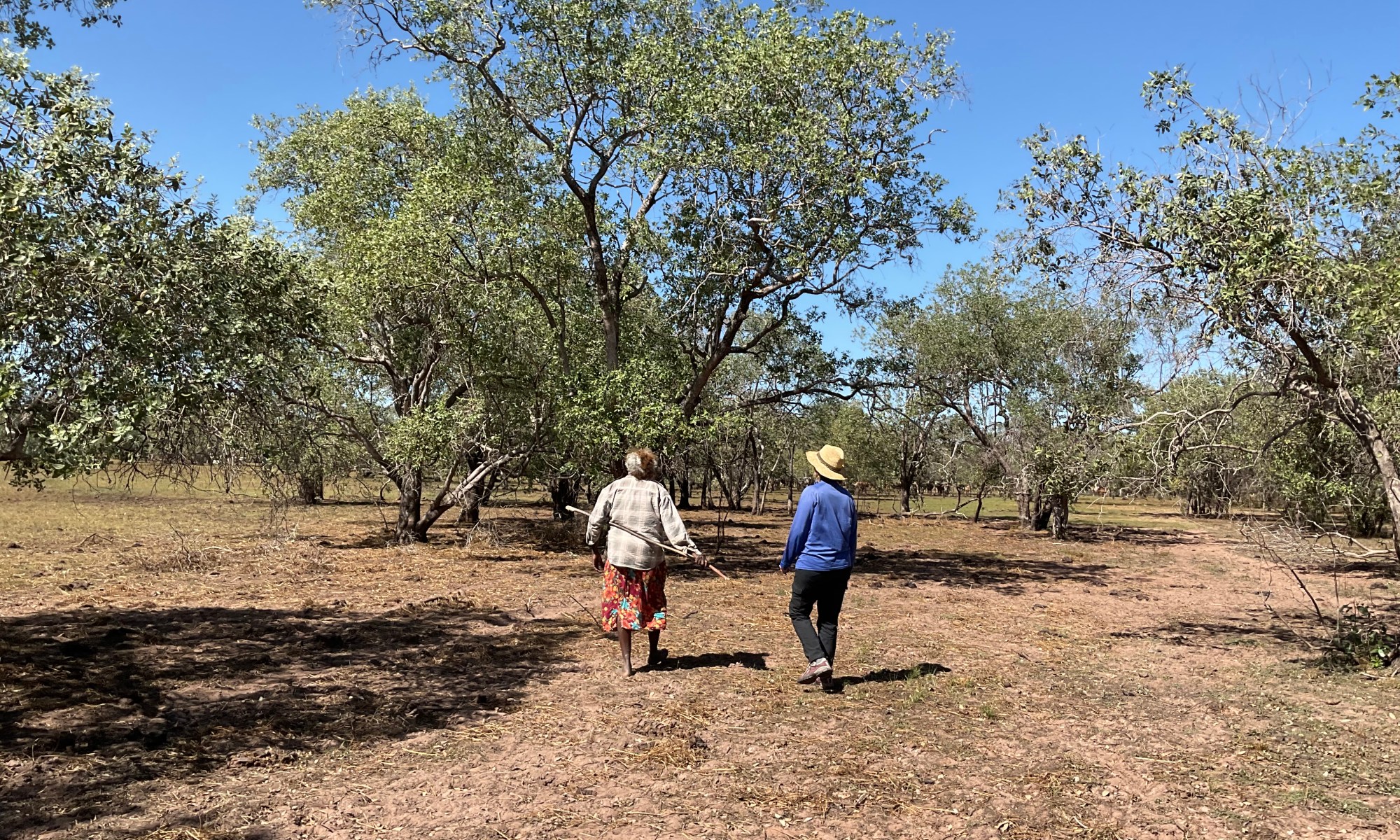
Mapping Indigenous invasive plant management
In the extensive Indigenous lands of Australia’s tropical north, communities have increasing responsibility for land management with diverse challenges including climate change, invasive species, sea-level rise, changing fire regimes and increasing development pressure. While there are benefits from managing invasive plants, not everyone benefits equally, and management activities contribute to the burden of decisions and logistics, particularly for Indigenous communities.
Based on an established research relationship with the Marralam Gajerrong community of the Northern Territory, this project uses a participatory community-based approach combined with innovative cultural mapping technologies to record and analyse Aboriginal knowledge, experiences and responses to invasive plants. This project aims to reveal uneven relations apparent in managing weeds, and the consequences of Indigenous invasive plant management under rapid socio-ecological change.
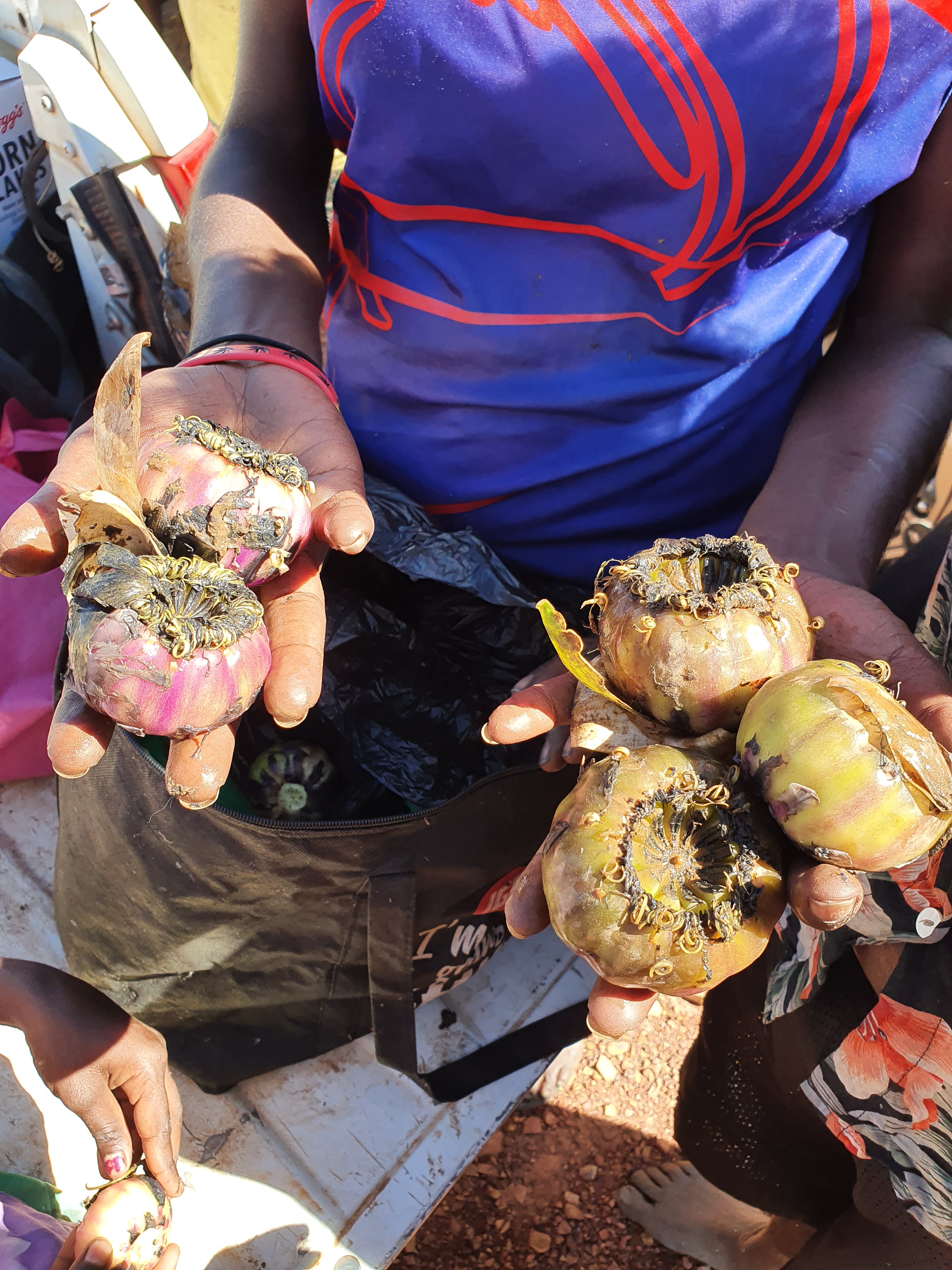


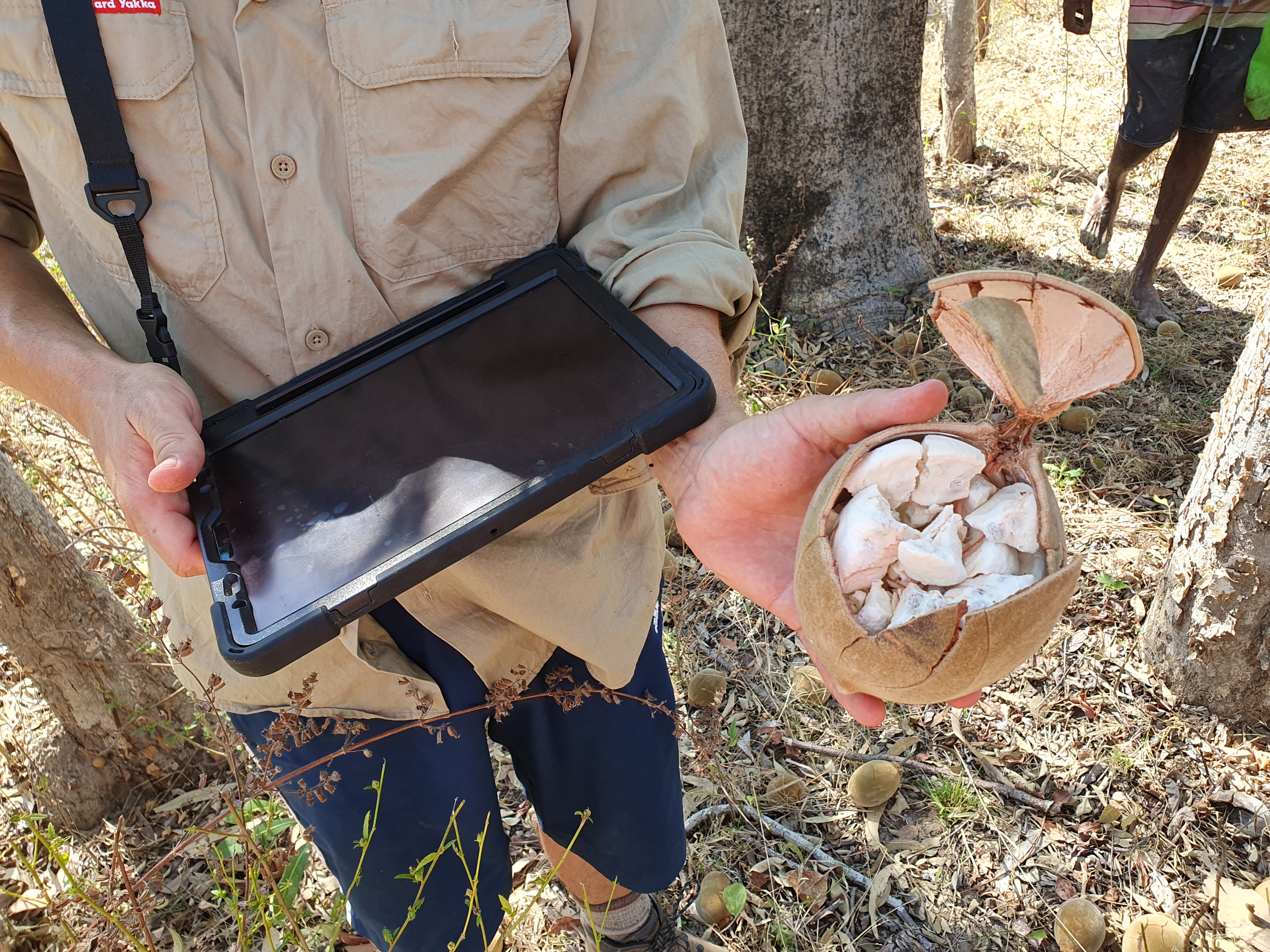
Weeds on Country
Gajerrong Country is a critical border zone between regions heavily infested with invasive plants in the Northern Territory and areas mostly free of invasive plants in Western Australia. The area sits at the crossroads of large-scale pastoral farming and the rising influence of modern, high-yield industrialised agriculture linked to the Ord River Scheme. With changes to land use and increasing development pressure comes significant pathways and potential for the introduction and spread of invasive plants.
Effective management of invasive plants can provide numerous benefits; however, not everyone benefits equally from these efforts, and Indigenous communities often bear a disproportionate burden. Weed management is often promoted as a source of training and employment, yet this work can be hazardous and under-resourced, with many positions offered as short-term contracts. Indigenous communities face unique challenges as these tasks can limit time for other important cultural maintenance activities. Additionally, the interaction between invasive plants and practices such as fire and pasture management is reshaping northern Australian ecosystems.
This research aims to understand Gajerrong priorities for managing weeds on Country. It also aims to shed light on the challenges and opportunities that arise in ongoing weed management efforts for Indigenous communities. Understanding the intersection of social and ecological change is essential for communities who must navigate the complexities of weed management alongside other priorities.
 Transforming Invasive Plant Management in Northern Australia