
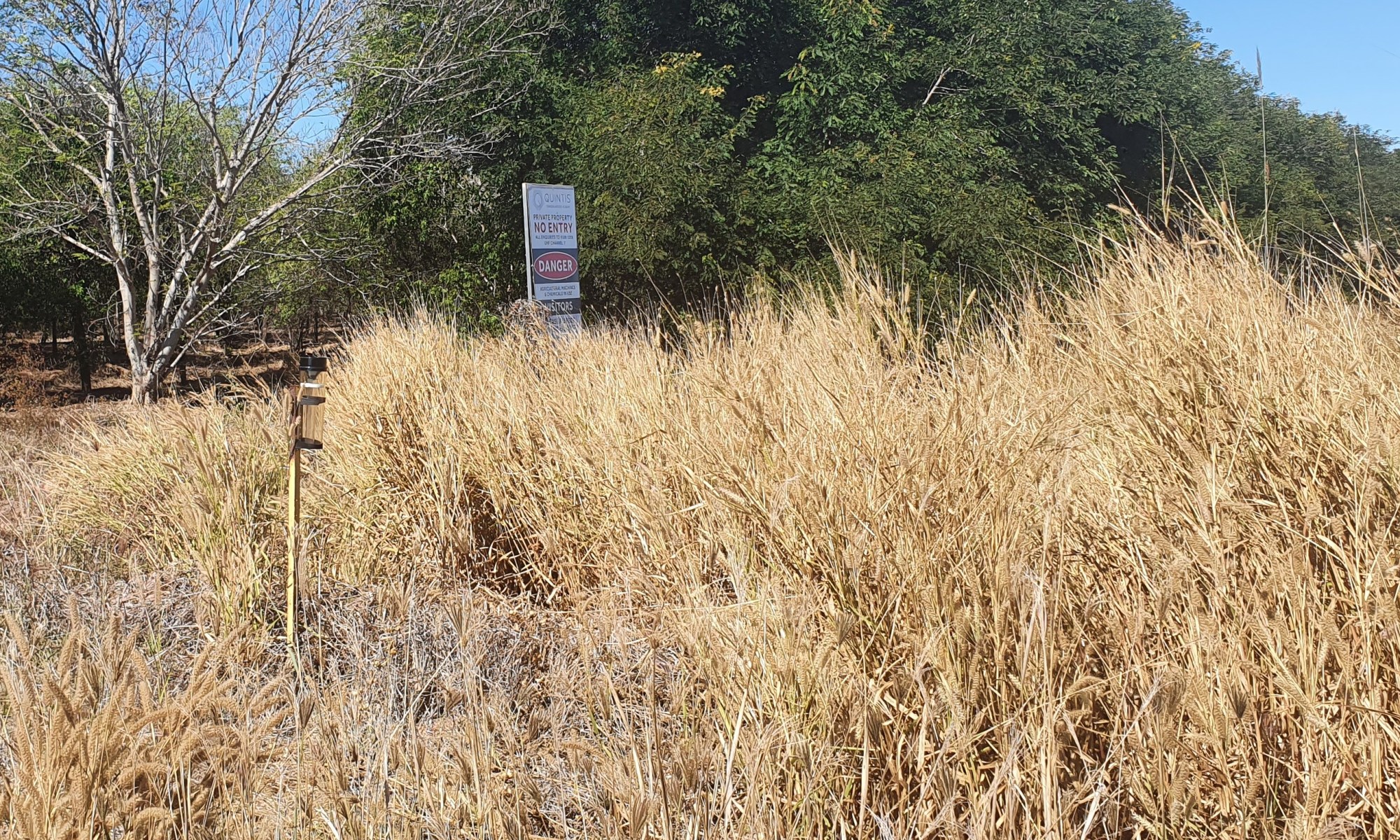
Geographies and social histories of weeds in northern Australia
Invasive pants have deeply impacted the ecosystems and social fabric of northern Australia. Much of the historical narrative surrounding weeds focuses on how they arrived and their biological aspects, often neglecting the stories of the people and communities involved in managing them. Western histories frequently highlight the contributions of scientists and botanists while overlooking the experiences and challenges faced by those supporting their work, or the Indigenous communities directly affected by agricultural research and invasive species management.
Weed management is often promoted as a source of training and employment opportunities, yet this work can be hazardous and under-resourced, with many positions offered as short-term contracts. Indigenous communities, in particular, face unique challenges as these tasks can detract from other important cultural maintenance activities. Additionally, the interaction between invasive plants and practices such as fire and pasture management is reshaping northern Australian ecosystems.
The complex social dimensions of managing invasive plants are not as well understood as their biological and ecological aspects. Effective biosecurity activities hinge on the skills and capacities of local communities, whose lived experiences can offer insights into resilience and adaptive strategies. As northern Australia undergoes significant social transformation due to large-scale public and private development projects, understanding how these changes intersect with environmental shifts is crucial.
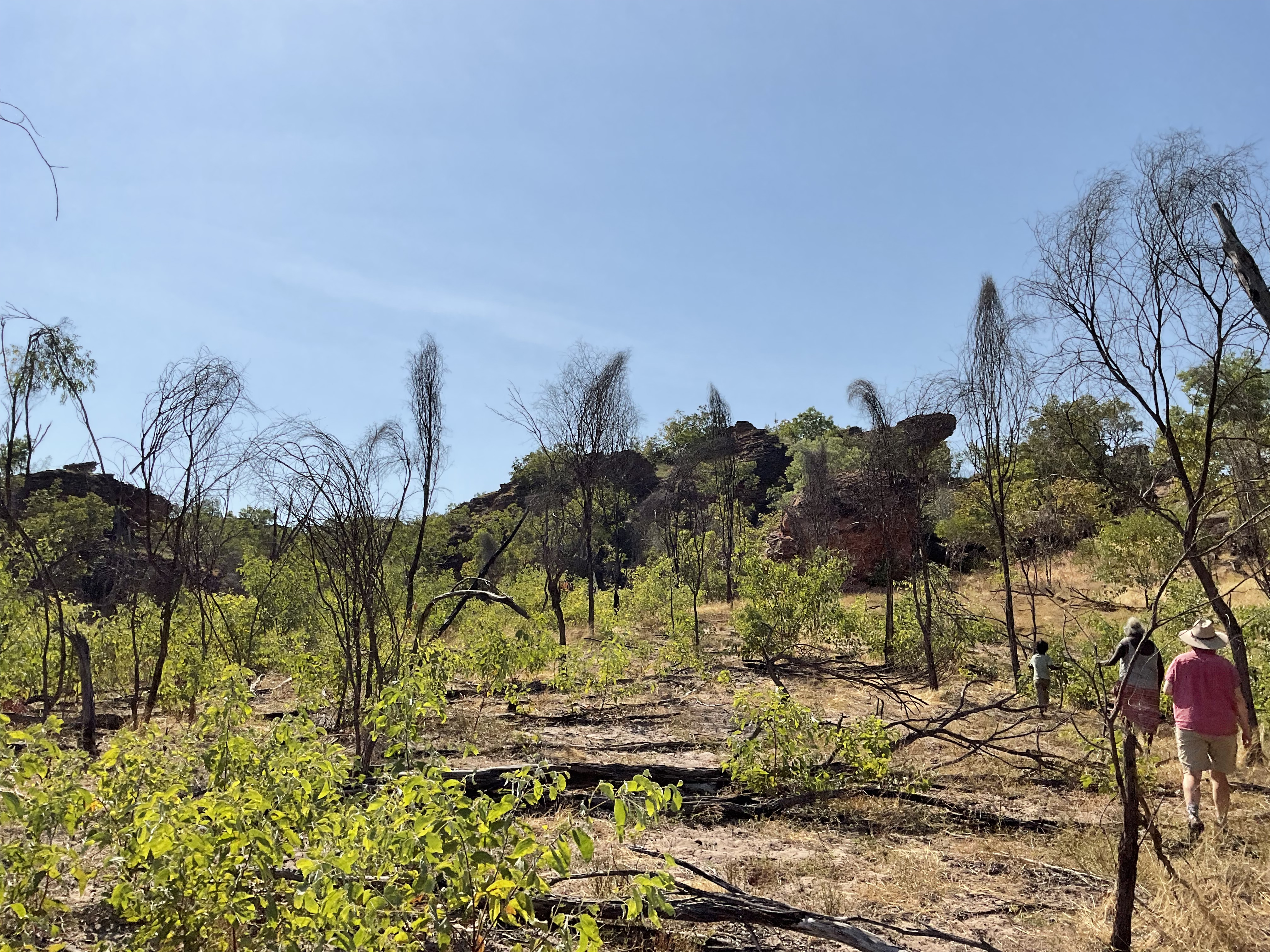

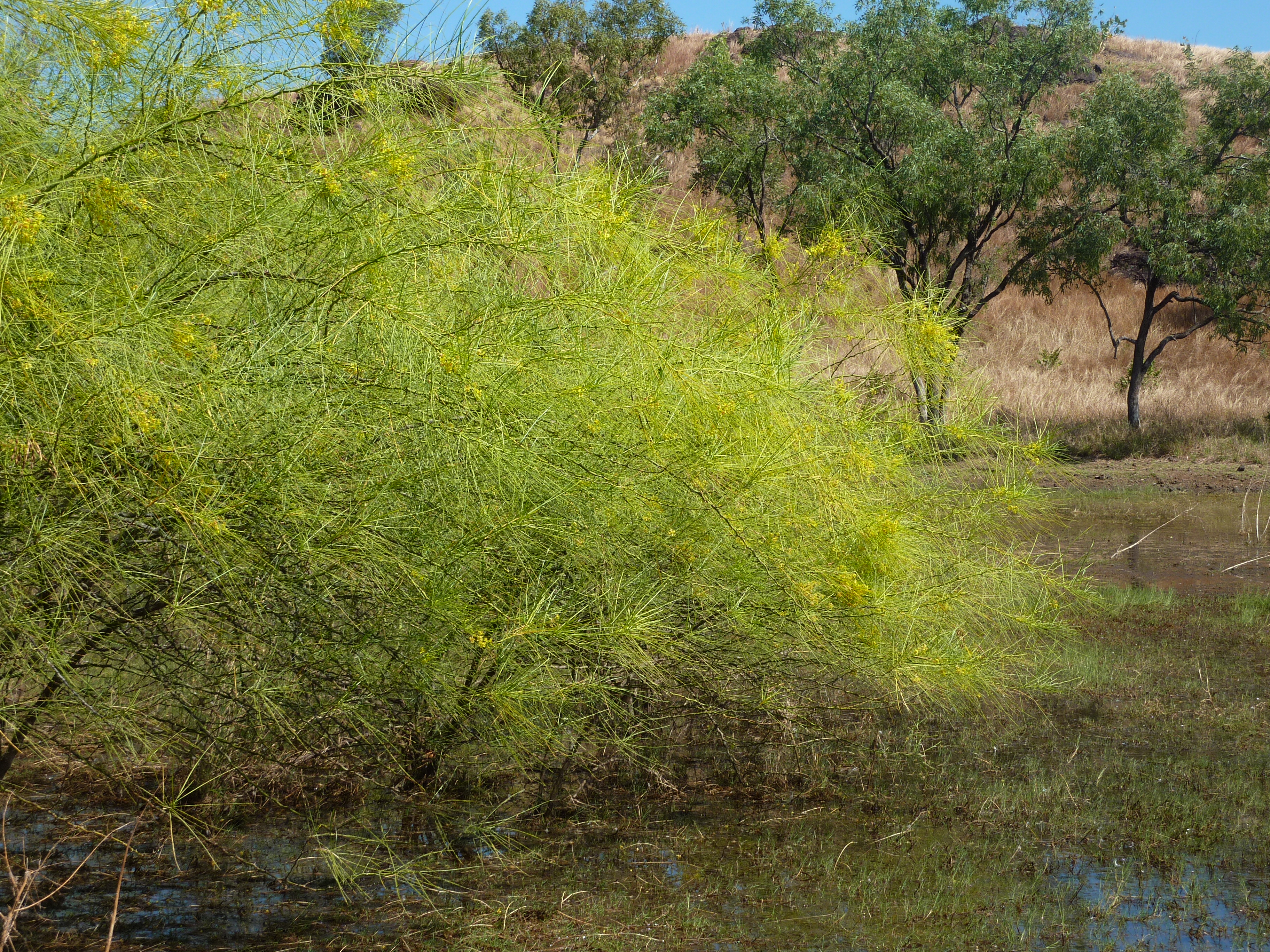
Invasive species management requires careful consideration of who leads, how trust is built, how appreciation for efforts is acknowledged, and how culturally meaningful participation is enabled. Historically, a colonial legacy has shaped weed management practices, intertwining them with tenure and governance issues and perpetuating forms of dispossession of Indigenous people. This project focuses on the interconnectedness of people, plants, and other living entities to better understand the historical geographies and challenges of invasive plant management to foster better outcomes and respect for all people involved in managing weeds into the future.
Through interviews and surveys, social scientists are working to understand the perspectives and experiences of those dealing with invasive plants. These interactions form the basis for narratives about the motivations behind invasive plant management, the challenges faced, and the methods employed. By bringing these experiences to the forefront, researchers aim to illuminate how people are navigating change and identify opportunities for improvement.
See Jennifer Atchison’s previous work on weeds here
 Transforming Invasive Plant Management in Northern Australia