
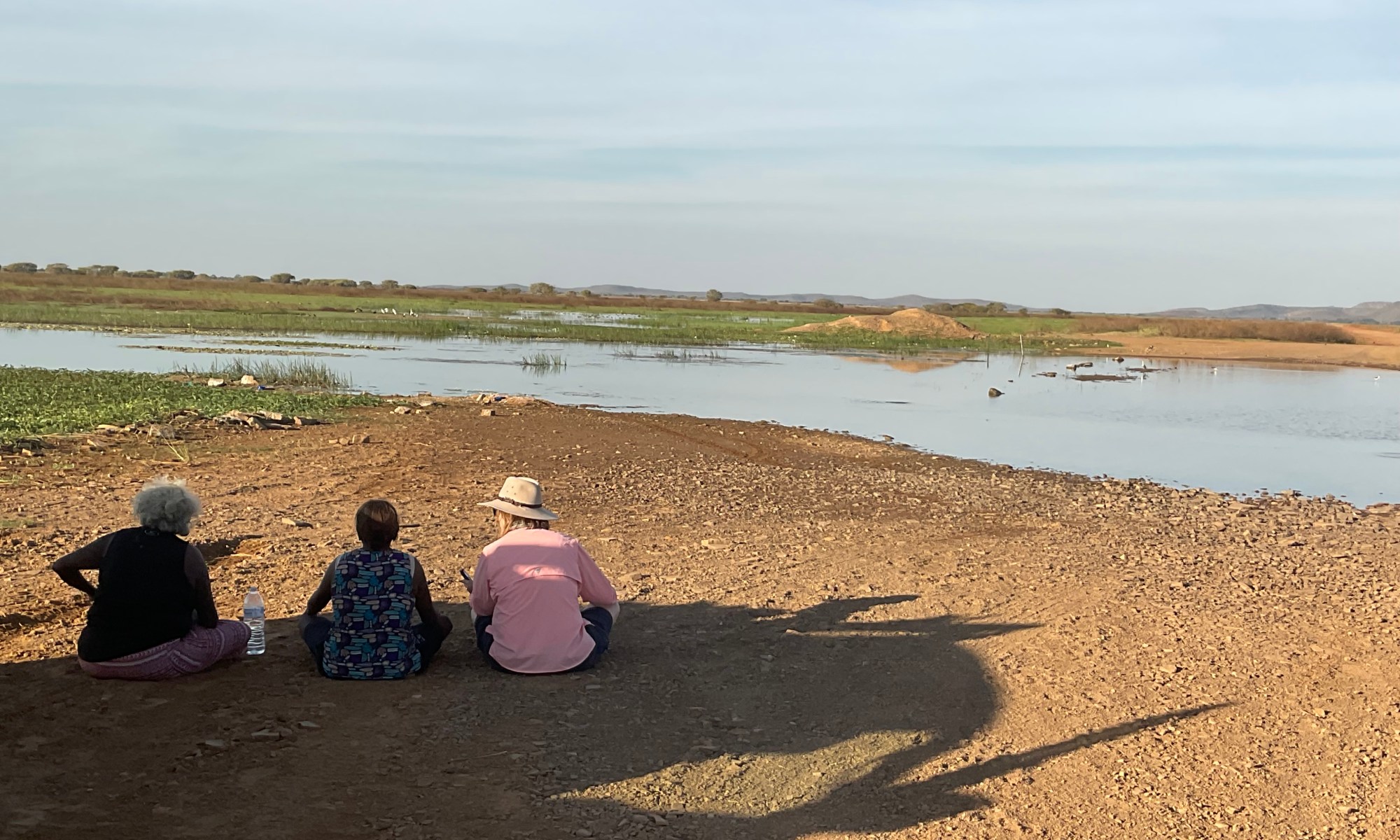
Emerging relations with invasive plants
Patterns and processes of land-use change contribute to and facilitate the spread of invasive plants. This project examines the changing geographies of land-use in Northern Australia, and emerging relations with invasive plants. The project aims to understand how people and communities are planning for a future with invasive plants, and pinpoint opportunities to improve socio-ecological outcomes of weed management.
Biosecurity and horticulture
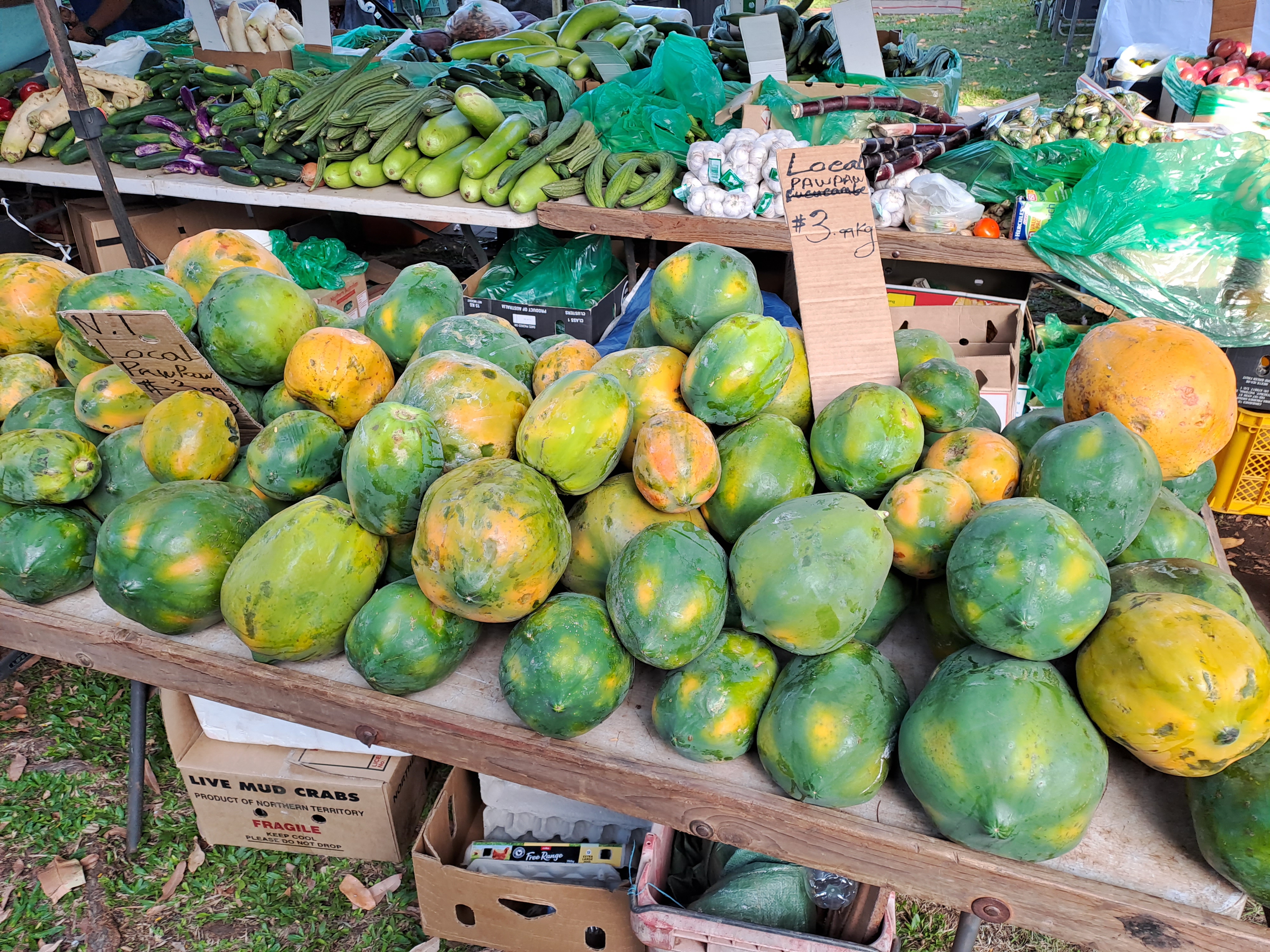
As part of Dr Atchison’s Fellowship, Laura Butler’s doctoral research aims to understand the relationship between peri-urban horticulture and weeds in Australia’s Northern Territory, and the insights that may be drawn from this relationship regarding how people and weeds can more effectively co-exist in the Anthropocene.
In 2023, Laura travelled to Darwin to learn about weeds with horticulture and biosecurity stakeholders in the city’s outskirts. Her research considers the actors (human and non-human) involved in horticulture in peri-urban Darwin; the knowledges, practices, and relationships important for biosecurity in this setting; and how biosecurity discourses and practices are being perpetuated and/or challenged in horticultural networks. The study will engage with cultural geography, vegetal geography, and critical social science accounts of biosecurity through a more-than-human approach.
PhD Title: Biosecurity on the fringe: Living with weeds in peri-urban horticulture in the Northern Territory, Australia. Visit Laura’s UOW page or watch her ACSPRI Fellowship video

Invasive plants and agroforestry
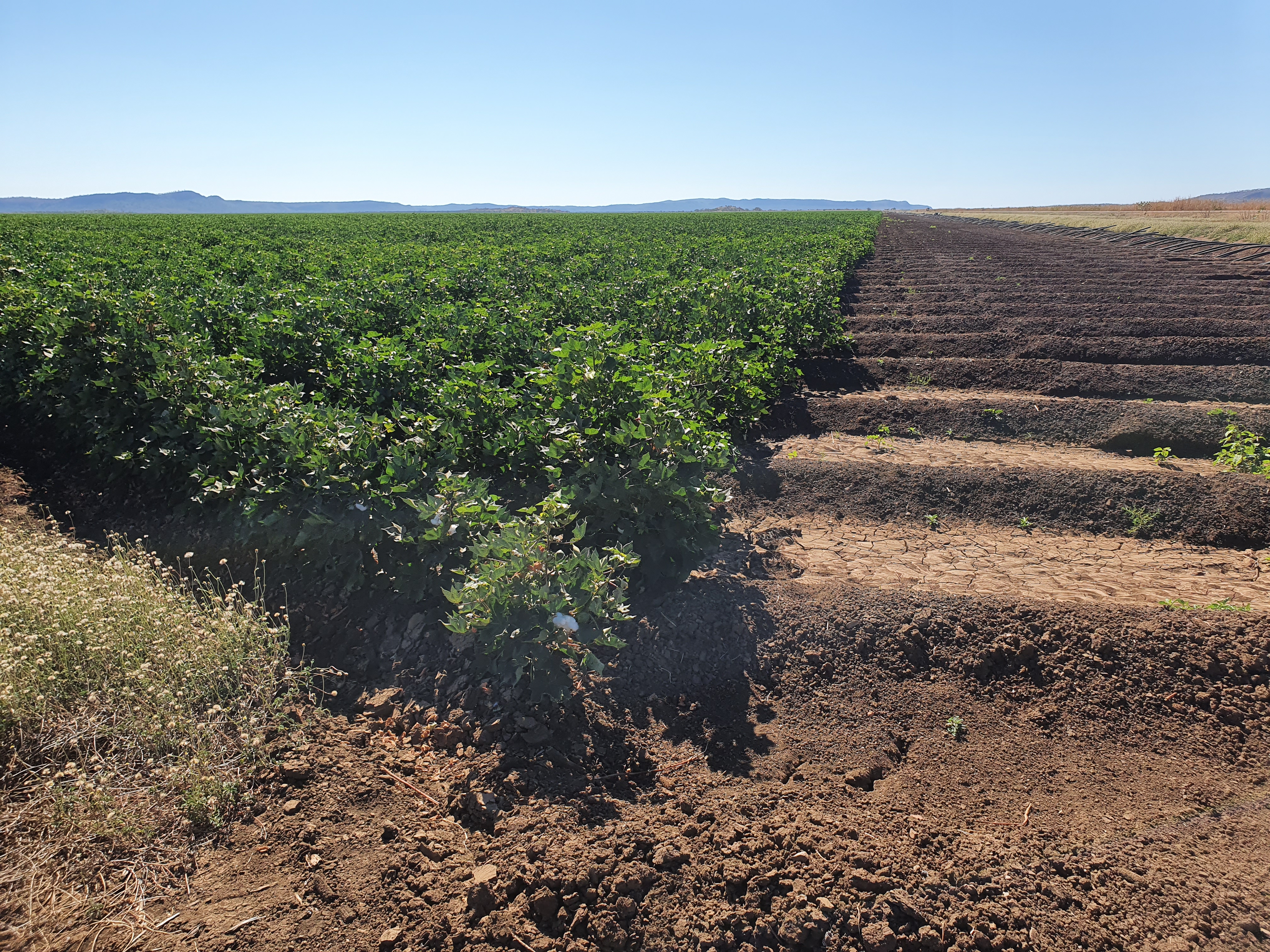
As part of Dr Atchison’s Fellowship, Tyler Challand’s PhD research aims to understand the relationship between agroforestry and biosecurity in Northern Australia and explore how invasive plant management might be improved. The research will consist of interviewing key actors in the agroforestry industry to explore the current practices and to shed light on a situation lacking in depth coverage. Tyler’s research interests include conservation, invasive species, and wildlife management.
PhD title: Critical geographies, political ecologies of forestry and biosecurity in Australia. Visit Tyler Challand’s UOW page
Mobile pasture production (hay)
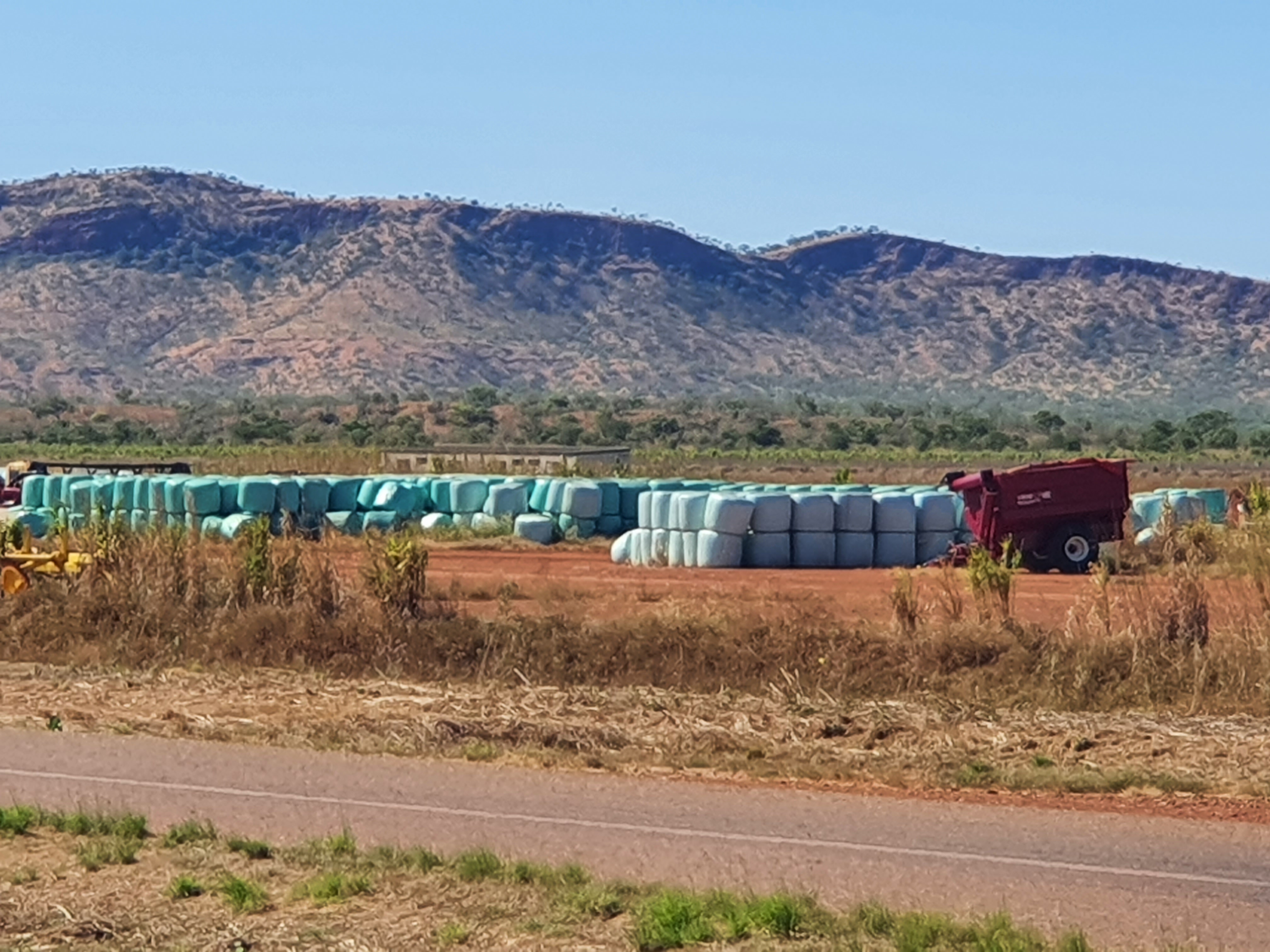
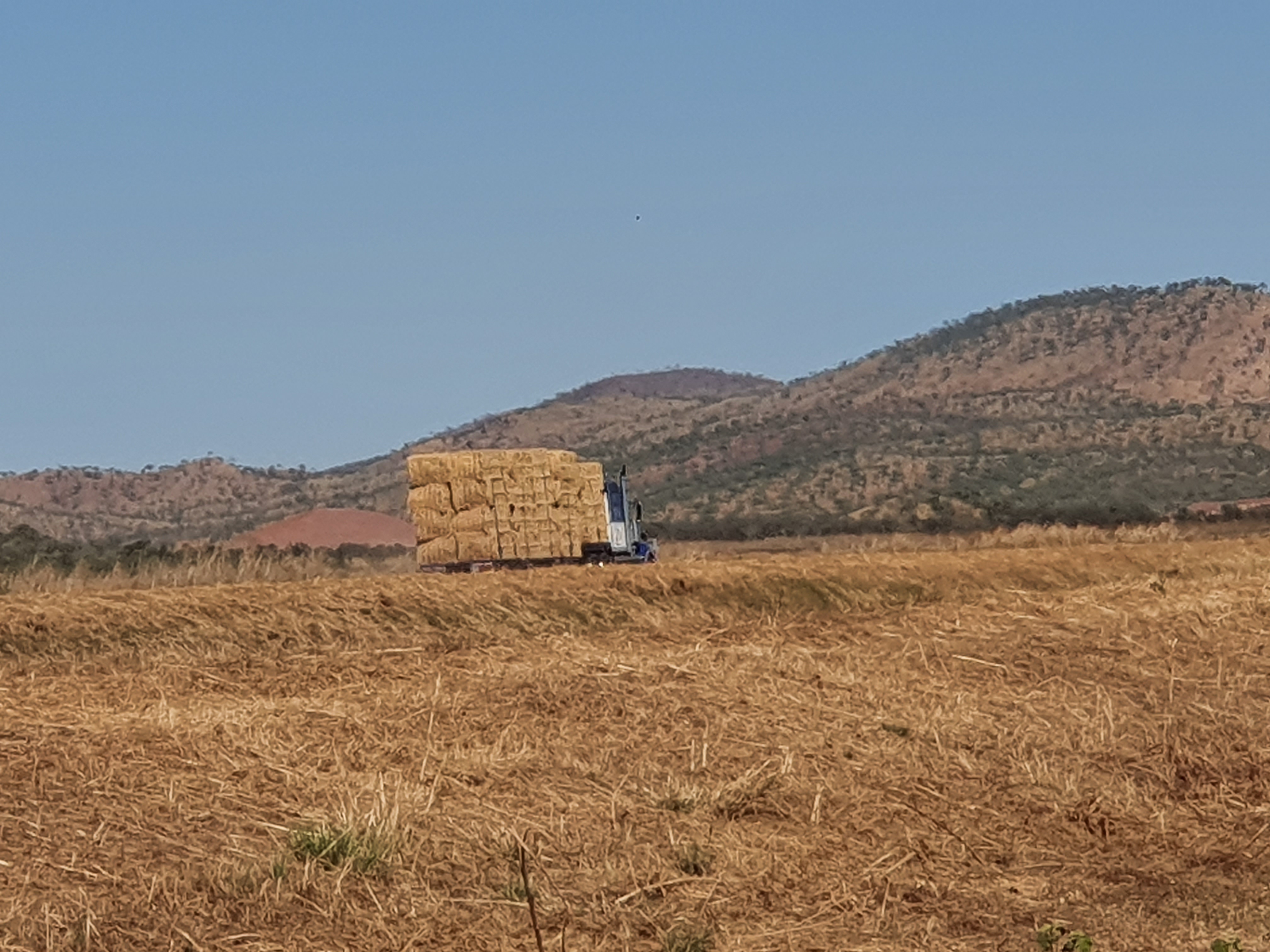
The most recent drought in southern Australia has brought the issue of domestic hay availability into sharp focus, and the resulting biosecurity issues associated with invasive plant spread. The provision of drought fodder has promoted significant spread in the past. In the NT, hay is one of the few viable rain-grown crops, and is also produced via irrigation. Where hay is used in local production (e.g., for horse feed), it can promote weed spread; weeds can also be spread long distances as a contaminant, or attached to machines involved in baling and transport.
This project will analyse the geographies of hay and fodder in northern Australia, and their intersection with national biosecurity governance, using innovative mapping methods and ethnographic interviews with hay makers, transporters and receivers.
 Transforming Invasive Plant Management in Northern Australia